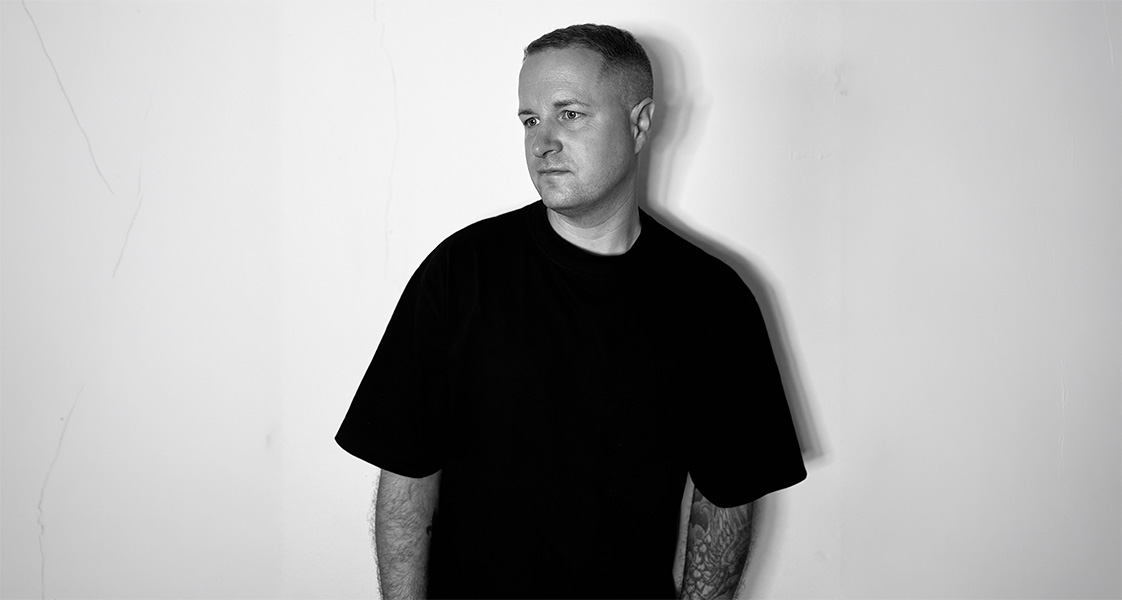
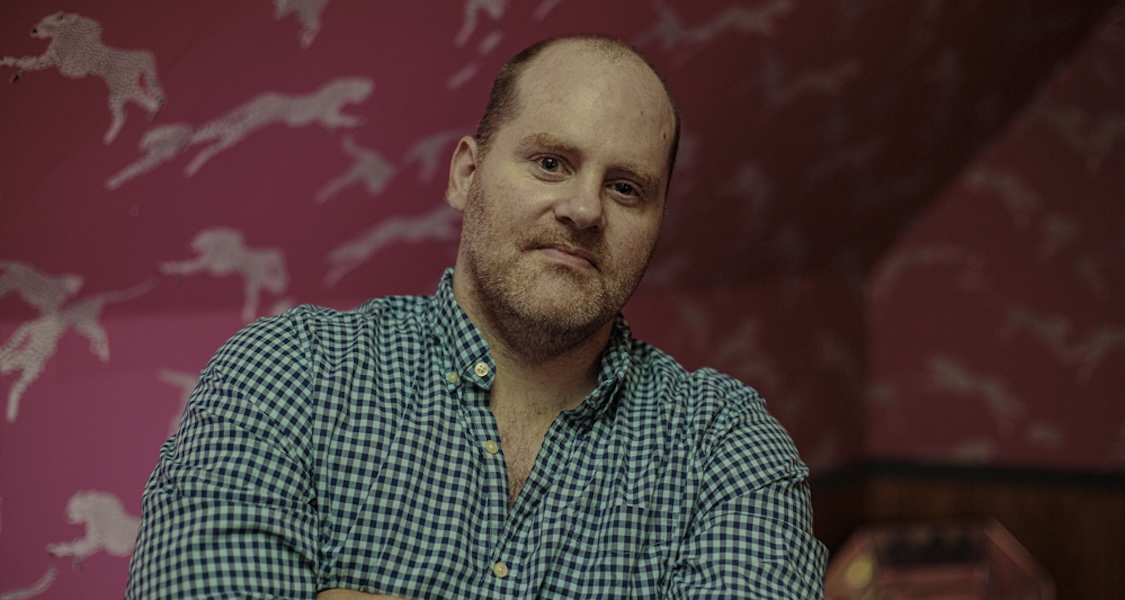
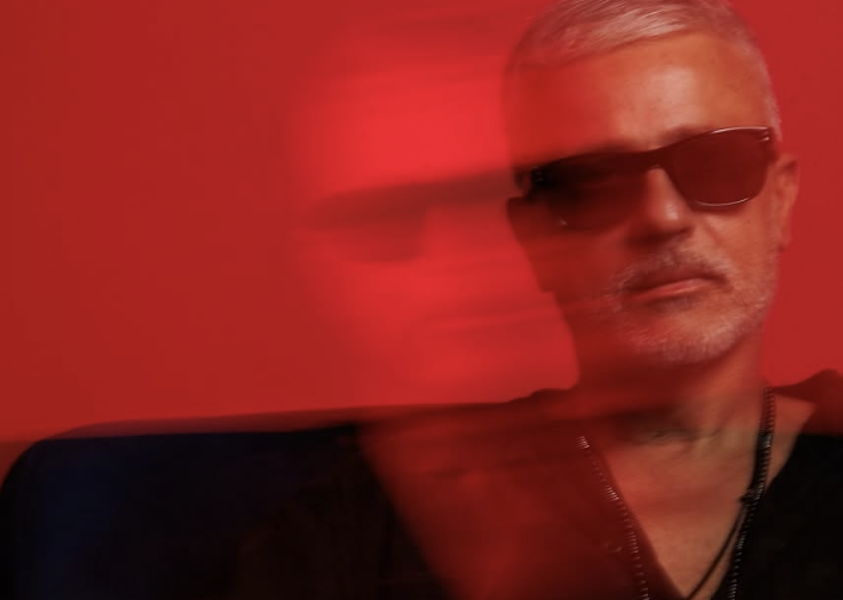
STES8410 continues to refine a distinct sound shaped by cinematic atmosphere, groove-led storytelling, and detailed sound design, steadily building momentum across labels like Stellar Fountain, The Purr, and One Of A Kind.
His latest track, ‘Sunflower,’ out on 3rd Avenue as part of the ‘Three Of A Kind’ VA, captures a key moment in that evolution – warm, immersive, and deeply intentional in its emotional direction.
We caught up with him to discuss the track, his creative process, and the broader vision shaping his music right now.
WWD: Your upcoming track ‘Sunflower’ is landing on 3rd Avenue as part of the latest ‘Three Of A Kind’ VA. Where does the track sit within your artistic evolution/vision right now?
For me, ‘Sunflower’ is one of the most defining and forward‑shaping tracks in my artistic evolution. It marks a moment where my sound became clearer, more intentional, and more personal.
The entire sound design from the subtle textures to the detailed FX work carries a level of precision and emotional depth that felt like a breakthrough.
There’s a mystical atmosphere and a strong sense of storytelling running through the track, and that combination really helped me understand what my own signature should feel like.
In many ways, ‘Sunflower’ became a foundation for everything that followed. It set the tone for my direction, my identity, and the way I want to shape my music moving forward.
WWD: ‘Sunflower’ feels like a title loaded with imagery and emotion. What was the story, atmosphere, or feeling you were trying to capture when creating it?
With ‘Sunflower,’ my intention was never to dictate a specific emotion. What matters most to me is creating music that sparks imagery, a space where listeners can form their own inner pictures, memories, and emotional interpretations.
I love when a track becomes an open landscape rather than a fixed narrative, allowing everyone to connect with it in their own way. While producing it, I was drawn to a warm, quietly uplifting atmosphere, something that feels open, organic, and slightly nostalgic. But I wanted that feeling to remain subtle, not prescriptive. Every texture and FX detail is designed to invite imagination, not control it.
If someone hears hope, calmness, longing, or something completely different, that’s exactly the beauty of it. ‘Sunflower’ is meant to be a space for personal stories, not a predefined emotion.
WWD: Your productions often balance organic textures with progressive movement in a really fluid way. When working on ‘Sunflower,’ did the track begin from a groove, a melodic idea, or more of a visual idea?
My workflow usually starts with a groove. That rhythmic foundation gives my tracks their backbone and sets the creative direction right from the beginning. I might refine or adjust it later in the process, but that initial pulse is what anchors everything. What comes after isn’t fixed, it really depends on what inspires me in that moment. Sometimes a melodic idea takes the lead, sometimes it’s a vocal that immediately sparks a mood or a visual feeling. But the groove is always the starting point, the element that opens the door for everything else to unfold.
With ‘Sunflower,’ the process was exactly the same. The groove came first, then the atmospheric layers that set the tone of the track. Interestingly, the vocals were the very last element I added. They tied everything together and ultimately gave the track its identity.
WWD: Each artist contributes two tracks to the VA. How do you think ‘Sunflower’ and ‘Surreal’ contrast or compliment each other?
Even though ‘Sunflower’ and ‘Surreal’ weren’t created as complementary pieces, they share a similar foundation in terms of structure and production approach. Both tracks follow my typical workflow: a strong rhythmic core, a gradual build‑up of atmosphere, and a focus on subtle storytelling through textures and FX.
Where they differ is in their emotional direction. ‘Sunflower’ feels warmer and more uplifting, while ‘Surreal’ leans into a deeper, more introspective mood. So they don’t necessarily complement each other in a conceptual sense, but they do reflect two shades of the same artistic identity.
WWD: 3rd Avenue and the wider Sound Avenue family have become known for melodic depth and storytelling. Do you approach a release differently when writing for a label with such a distinct sonic identity?
I never approach a track with the intention of fitting a specific label. I produce music based on what I feel in that moment and how I want the idea to sound and evolve. When I’m creating, I don’t think about where the track will eventually be released. The focus is entirely on the artistic vision and the emotional direction of the piece. If a track resonates with a label’s identity later on, that’s a natural match, not a strategic decision.
For me, the music always comes first, and the label is simply the home that aligns with the final result.
WWD: There’s a strong sense of flow and atmosphere across your music, but also a subtle tension underneath it. How do you personally define the balance between Organic House and Progressive House in your sound?
For me, the balance between Organic House and Progressive House comes from combining warmth and atmosphere with a clear sense of forward motion. The organic side gives my music its textures, its human feel, and its emotional softness. The progressive side brings structure, tension, and a narrative arc.
In my sound, these two worlds meet in the middle: organic elements create the environment, while progressive movement shapes the journey. That’s where the flow and the subtle tension come from a constant interplay between something natural and something evolving.
WWD: You’ve got upcoming releases lined up on Stellar Fountain, The Purr, and One Of A Kind, along with several remixes for Sound Avenue. Are you consciously exploring different sides of your sound through these labels, or is there still a common thread connecting everything?
I don’t consciously shape my music to fit different labels, but each label naturally highlights a different shade of my sound. Stellar Fountain, The Purr, One Of A Kind, and the Sound Avenue family all have their own aesthetic. Yet, there’s a common thread in my productions that stays consistent, the atmosphere, the groove‑driven storytelling, and the emotional depth.
What changes is the nuance. Some labels resonate more with my organic side, others with the deeper or more progressive elements. But the core identity remains the same. I see these labels less as separate directions and more as different homes for different moods within the same artistic universe.
WWD: Remixes can reveal a lot about an artist’s instincts. When reinterpreting someone else’s work, what tends to matter most to you – preserving the original emotion, transforming the groove, or completely reshaping the atmosphere?
When I’m working on a remix, the most important thing for me is finding the right balance between respecting the original emotion and bringing my own identity into the track. I never want to overwrite the core feeling of the original, but I also don’t want to simply recreate it.
What I focus on most is the groove and the overall flow. That’s usually where my reinterpretation begins.I try to create a natural, evolving rhythm that opens new space for atmosphere and melodic ideas. From there, I build a new emotional layer around the original elements. The feedback I often receive, that I keep the original vibe while adding my own signature sound, with a natural groove, evolving arrangement, and strong basslines.
This reflects exactly what I aim for. I want the remix to feel familiar, but also refreshed and reimagined, as if the track is telling the same story from a different perspective.
WWD: Your music has a very immersive quality to it, almost cinematic at times. Outside of electronic music itself, are there any influences – environments, films, travel, emotions, or everyday experiences – that shape the worlds you build in your productions?
To be honest, I’ve never sat down and consciously analyzed where my inspirations outside of electronic music come from. I think everything around me influences me in some way, emotions, environments, people, and even small everyday moments.
Film music has always been a big source of inspiration for me. I love how cinematic scores create atmosphere and emotion with just a few elements, and that definitely shapes the way I think about storytelling in my own productions.
Travel also plays a huge role. Every trip leaves a mark, melodies, sounds, and moods from places like Bali or Africa stay with me and somehow find their way into my music. I don’t try to recreate those influences directly, but they become part of the world I build in my tracks.
So the immersive, cinematic quality in my music is really a mix of everything I experience, even if I’m not consciously thinking about it while producing.
WWD: You’ve built a steady momentum over the last few years while refining a very recognizable identity. At this stage of your journey, what do you think defines STES8410 as an artist beyond genre labels?
For me, STES8410 is defined less by genre and more by a certain mindset and sonic philosophy. What really shapes my identity is the way I approach atmosphere, groove, and emotional storytelling.
I’m always trying to create music that feels immersive, detailed, and intentional, tracks that unfold like a journey rather than a formula. A big part of my identity is subtlety: the way tension builds slowly, the way textures evolve, the way small details shape the emotional space.
I want my music to spark imagery and give listeners room for their own interpretation, rather than pushing a fixed emotion onto them. So beyond genre labels, STES8410 is about a consistent artistic language, warm grooves, cinematic atmospheres, progressive movement, and a focus on feeling rather than function. That’s the thread that connects everything I do, no matter where the track ends up.
WWD: Looking ahead to 2027, what are the bigger goals for the project? Are there particular milestones, collaborations, labels, or even live ambitions you’re working toward right now?
Looking ahead to 2027, my goals are becoming more defined. One of the biggest milestones I’m working toward is releasing on Mango Alley. Their emotional, cinematic aesthetic aligns perfectly with the direction my sound is evolving toward. It’s a long‑term goal, but one I’m actively building momentum for.
On the collaboration side, I would love to work with Natascha Polke. Her vocals have an incredible depth and atmosphere, and I feel her tone would blend beautifully with the worlds I try to create in my productions.
And on the live side, I’m steadily working toward bringing STES8410 to more stages. Playing at festivals is definitely on my radar, and a big ambition of mine is to perform at an event during ADE in Amsterdam. It’s a place where the global scene comes together, and sharing my sound in that environment would be a major step in my artistic journey.
So overall, 2027 is about growth, musically, collaboratively, and on stage while staying true to the identity I’ve been shaping over the past years.
WWD: Progressive and organic sounds have evolved massively over the last decade, often becoming faster, heavier, or more peak-time focused. Where do you see your own sound heading next within that landscape?
I feel my sound is moving toward a more cinematic and emotionally driven direction. While the scene is getting faster and more peak‑time focused, I’m drawn to the deeper, storytelling‑oriented side of progressive music, the kind of atmosphere and emotional clarity you often find on labels like Mango Alley. For me, the next step is refining that balance between subtle tension, warm organic textures, and long‑form progression. I want my tracks to feel even more immersive and narrative‑driven, almost like small emotional films.
The groove will always be the foundation of my sound, but the atmosphere around it is becoming more detailed, more spacious, and more expressive. So within the current landscape, I see myself moving further into that cinematic, deep‑progressive space, not chasing intensity, but focusing on depth, storytelling, and emotional resonance.
WWD: Sounds like a great plan! Thanks for the chat 🙂
Thanks!
‘Sunflower’ is available here.